
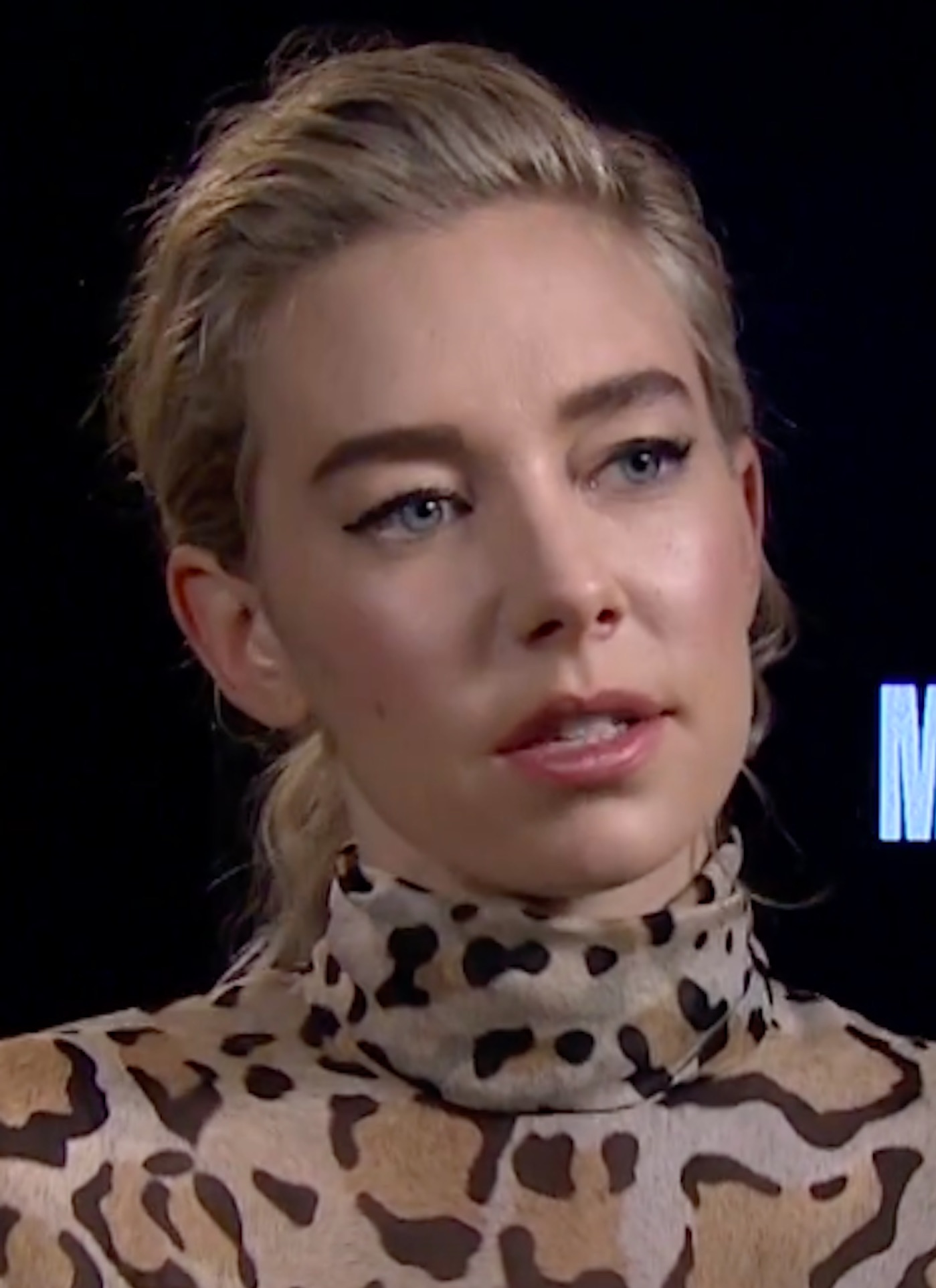
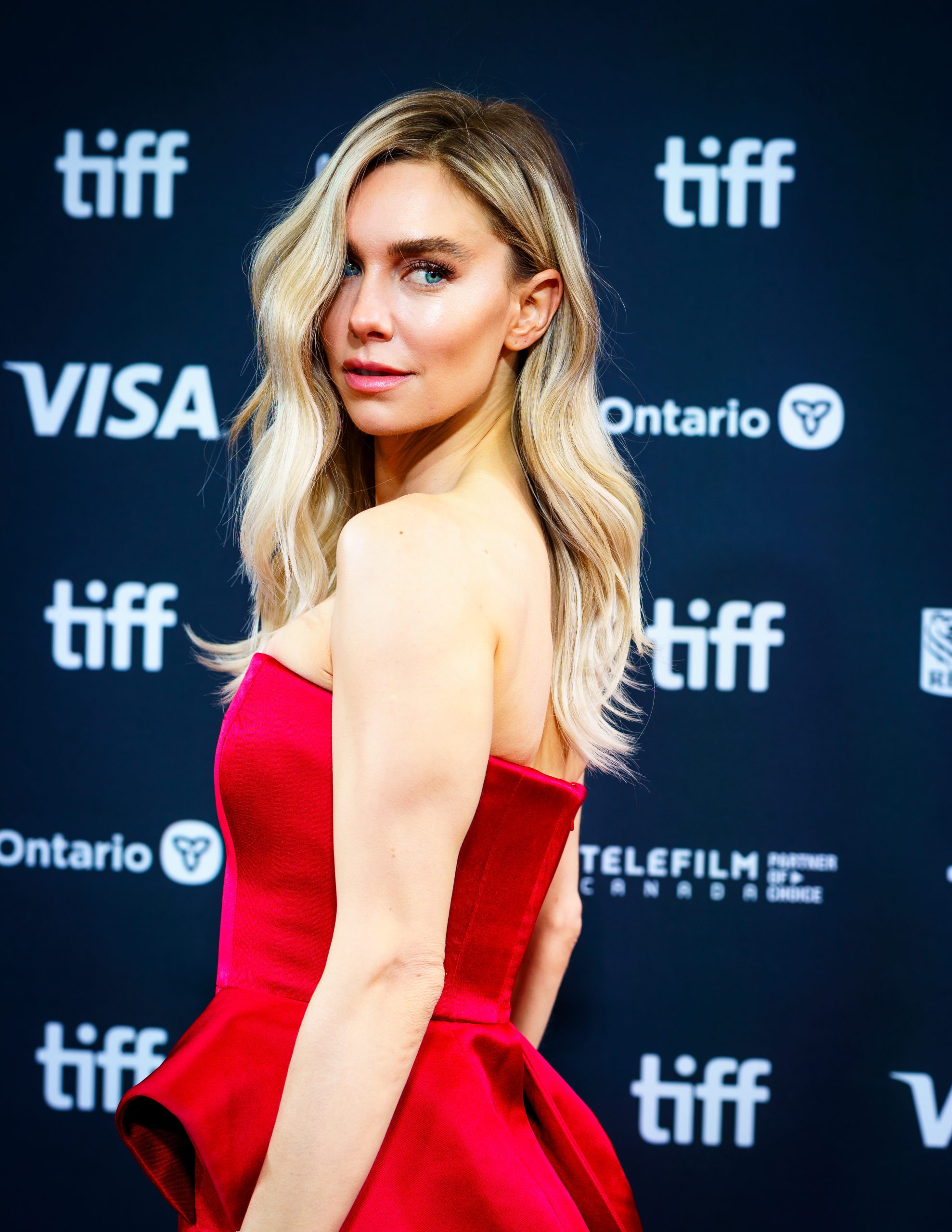
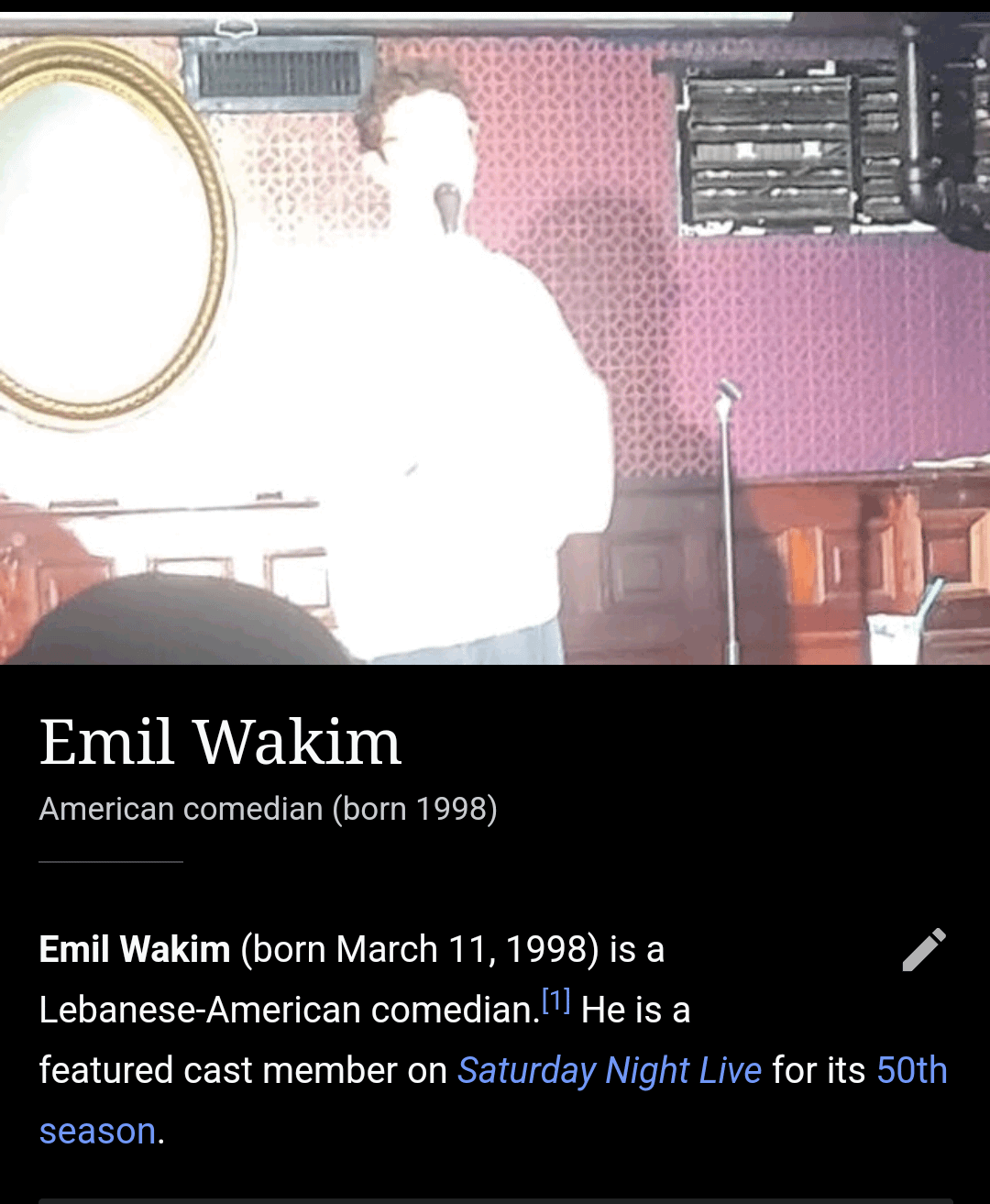
Wikipedia’s articles are amazing but the photos are horrible.
There’s a reason for that. All images on Wikipedia have to be uploaded under a Creative Commons license. That means you contribute the photo to the public domain and anyone can use it for anything they want, without paying you anything.
What that means is that professional photographers don’t upload their photos to Wikipedia. They make a living by charging for their photos, and once a photo is on Wikipedia, it's free for anyone to use as they please.
As a result, most of the photos you see on Wikipedia come from civilians. Often, it’s just some random at an airport being like, “Oh hey, whoa, look, it’s Pete Davidson!” and taking a blurry snapshot with their phone.
This was Pete Davidson’s Wikipedia photo for more than five years:
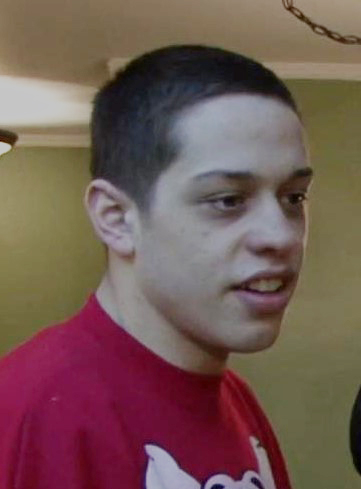
If it’s so bad, why did it stay up so long? Because it was the only one there was.
Then there was this blond mall selfie:
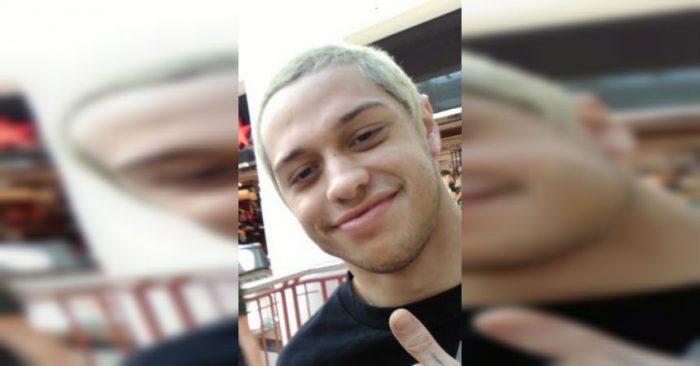
Thank God someone had the good sense to replace it with this one:
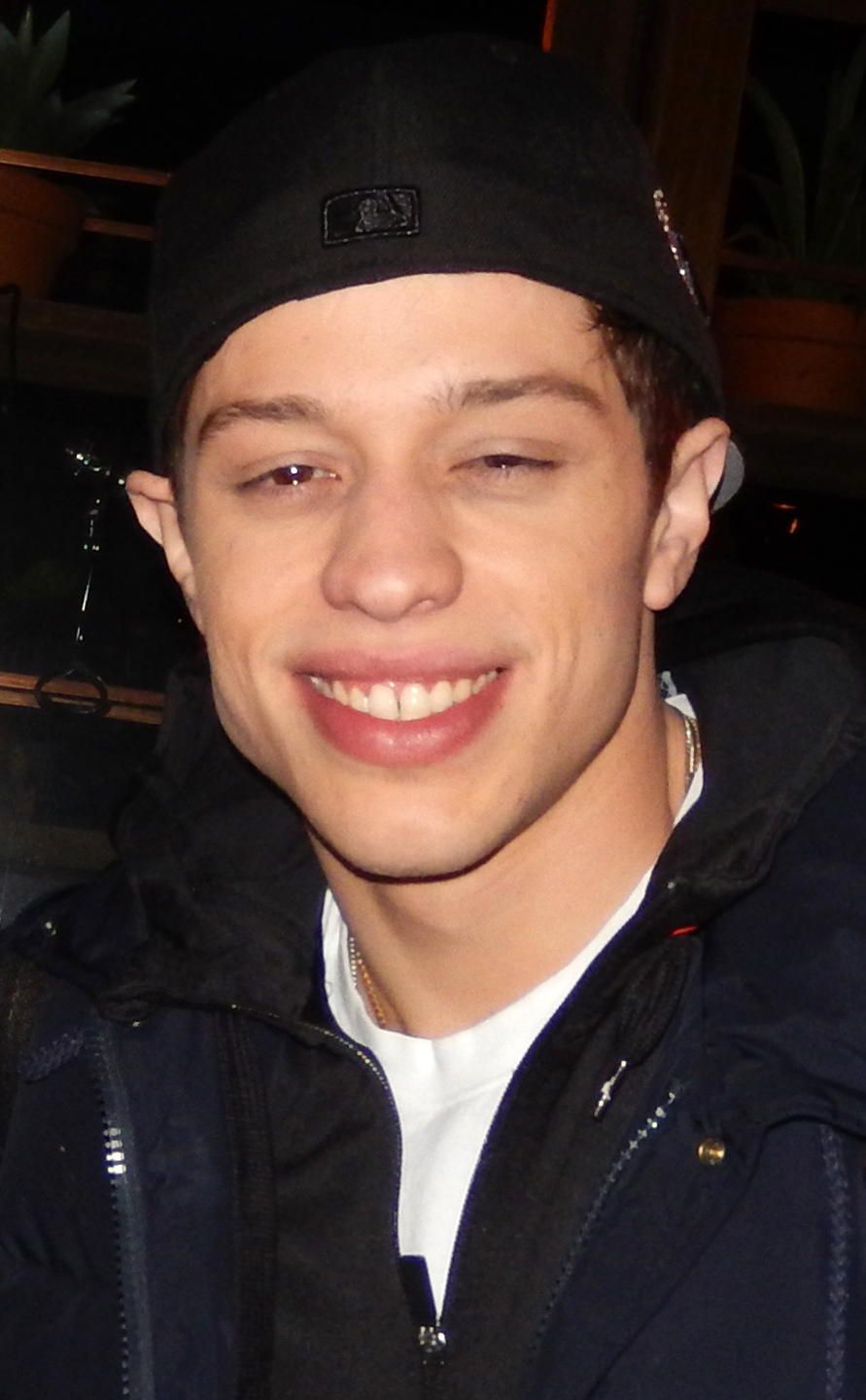
On the SNL song I’m Just Pete, Davidson sings “Anyone else, I’d be a 3.”
Mr. Davidson’s current Wikipedia photo appears to be a screenshot with the background clipped out?
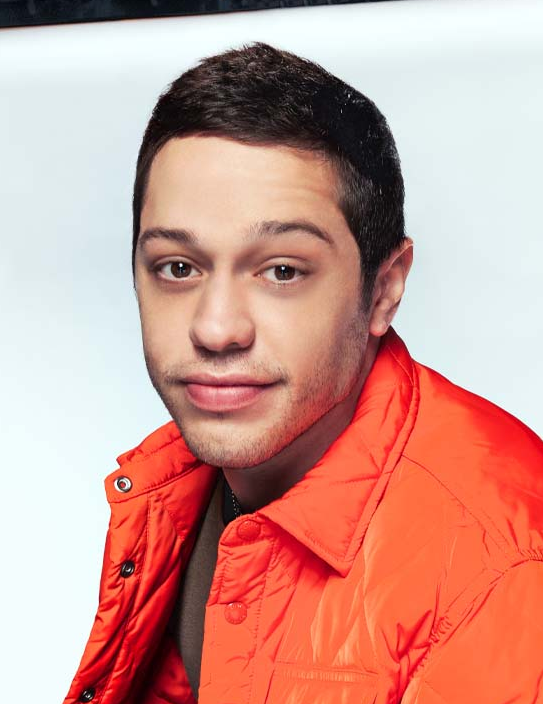
Yes, it’s all fun and games laughing at how Pete Davidson’s Wikipedia photo just can’t seem to catch a break. But bad photos on Wikipedia are actually kind of a problem. When you google someone, after all, their Wikipedia article is the first result that comes up — and their Wikipedia photo is the first thing you see. For a celebirty or other public figure, their Wikipedia photo becomes their unofficial portrait of record — even if it’s just a blurry thumbnail.
Portraits on Wikipedia are so bad there are Instagram pages dedicated to them: Bad Wikipedia Photos, Bad Wiki Photos. This is not some ancient “on this day in history” archival footnote. THIS IS AN ONGOING SITUATION.
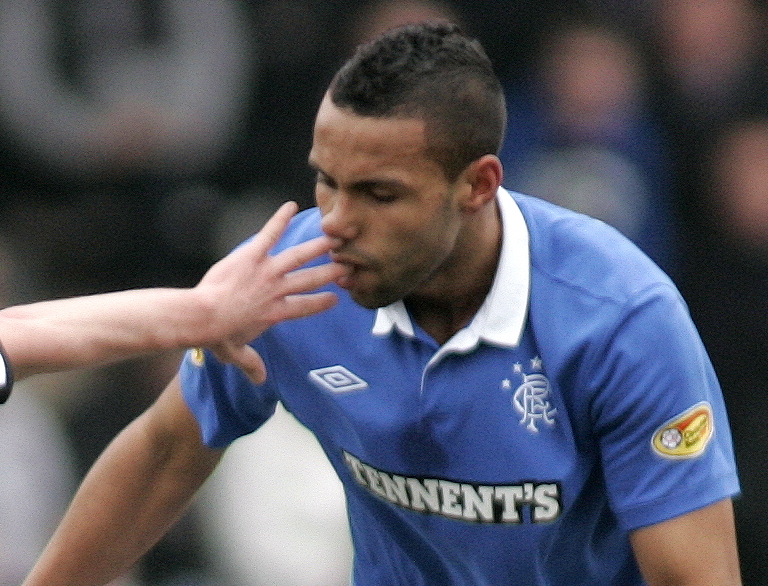
As in, this is the current photo for Arsenal centre-back Kyle Bartley:
My friend Jenny 8. Lee decided to do something about it. She’d observed that I own a $3,000 pro camera and couldn’t seem to stop buying new lenses for it — even though the only photos I ever took were of my own friends at my own parties, and the only people who ever saw those photos were the people in the photos.
“If I could get you a press pass to shoot celebrities at SXSW would you want to do it?” she asked me.
Um, yes? For a hobbyist photographer, it was a dream come true.
I went to SXSW and took photos of Conan O’Brien on stage. My photos appeared on his Wikipedia page just days after I uploaded them. That was the start of WikiPortraits, and soon, Jenny made it official, founding a 501(c)(3) nonprofit with Wikipedia veteran Kevin Payravi.
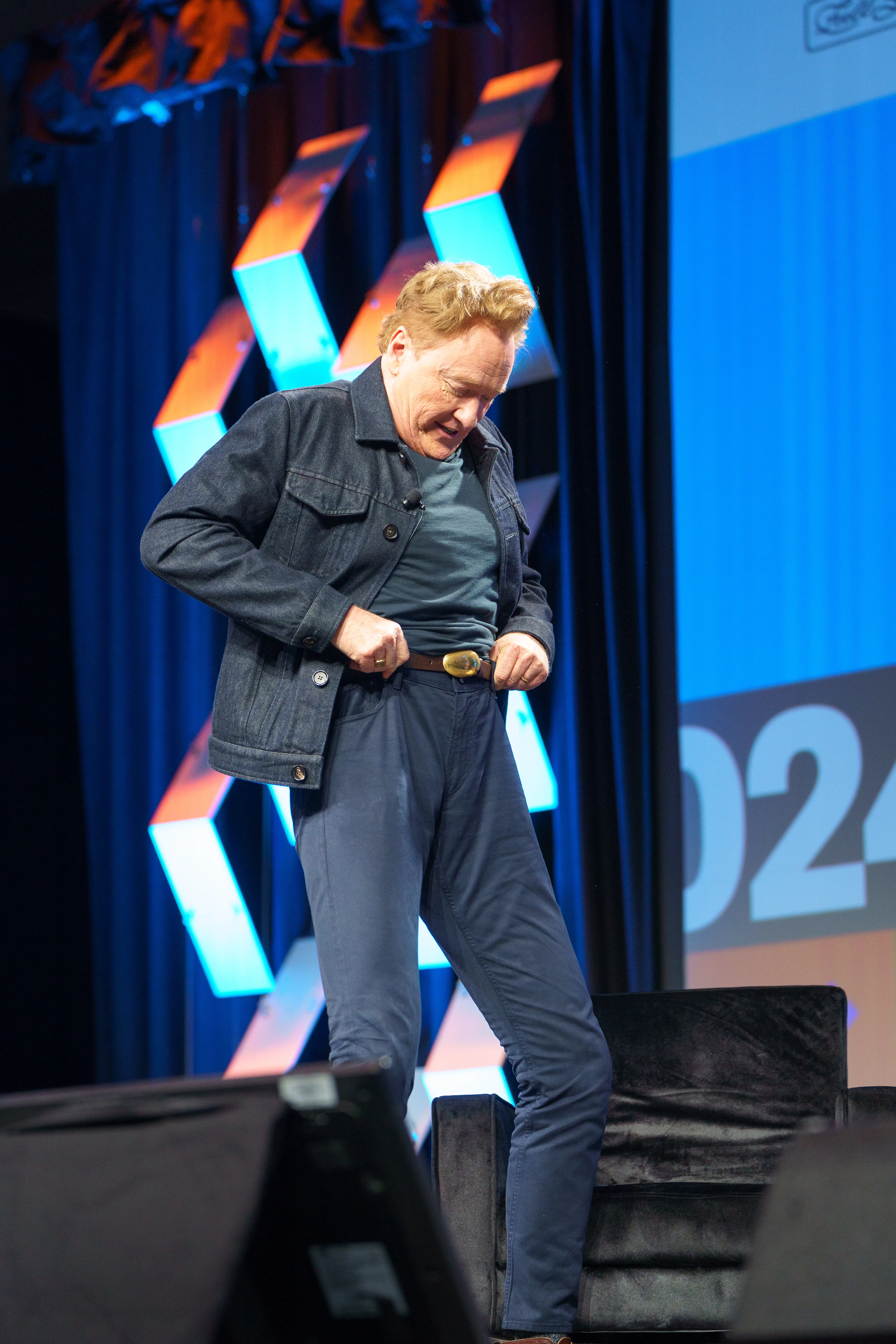
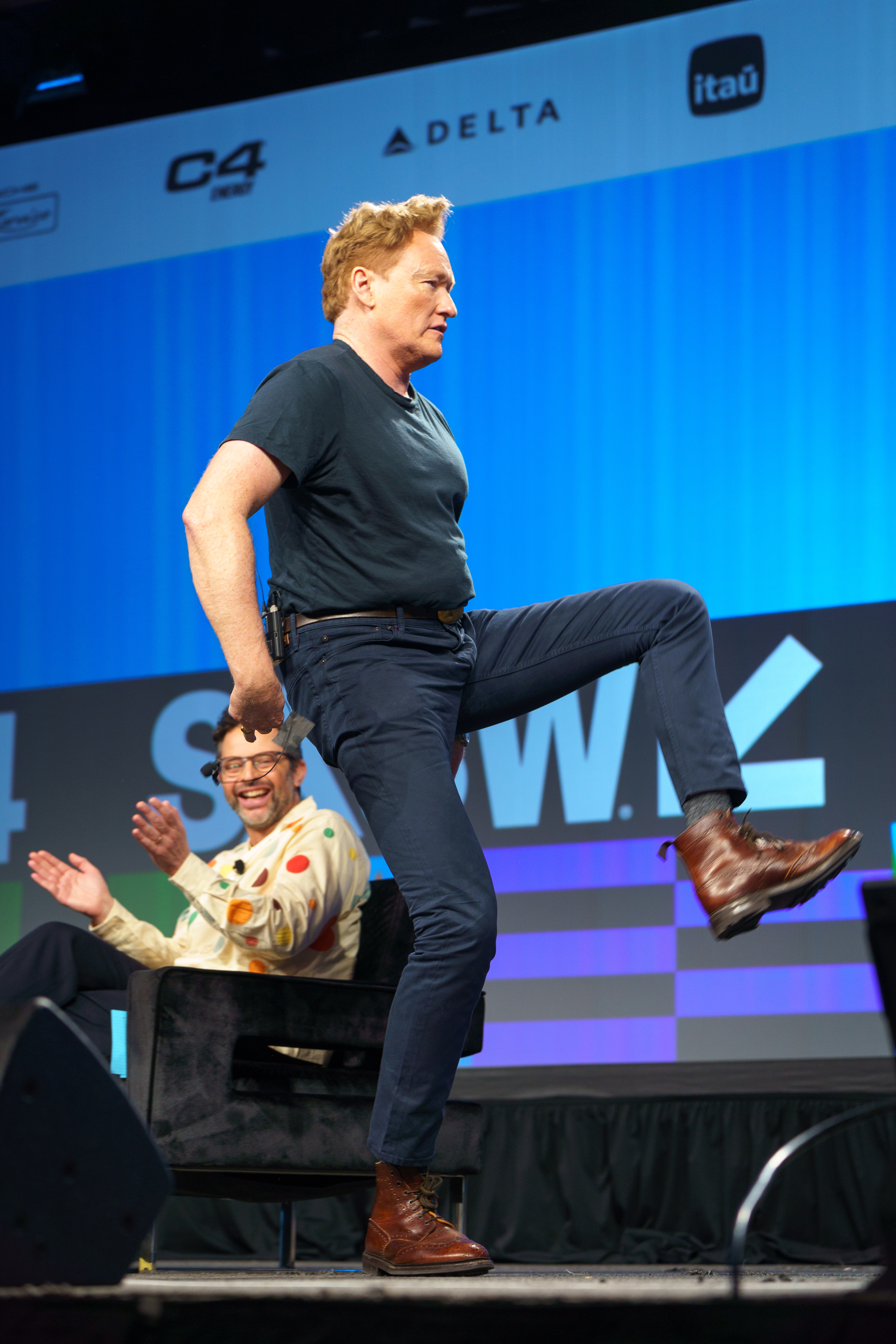
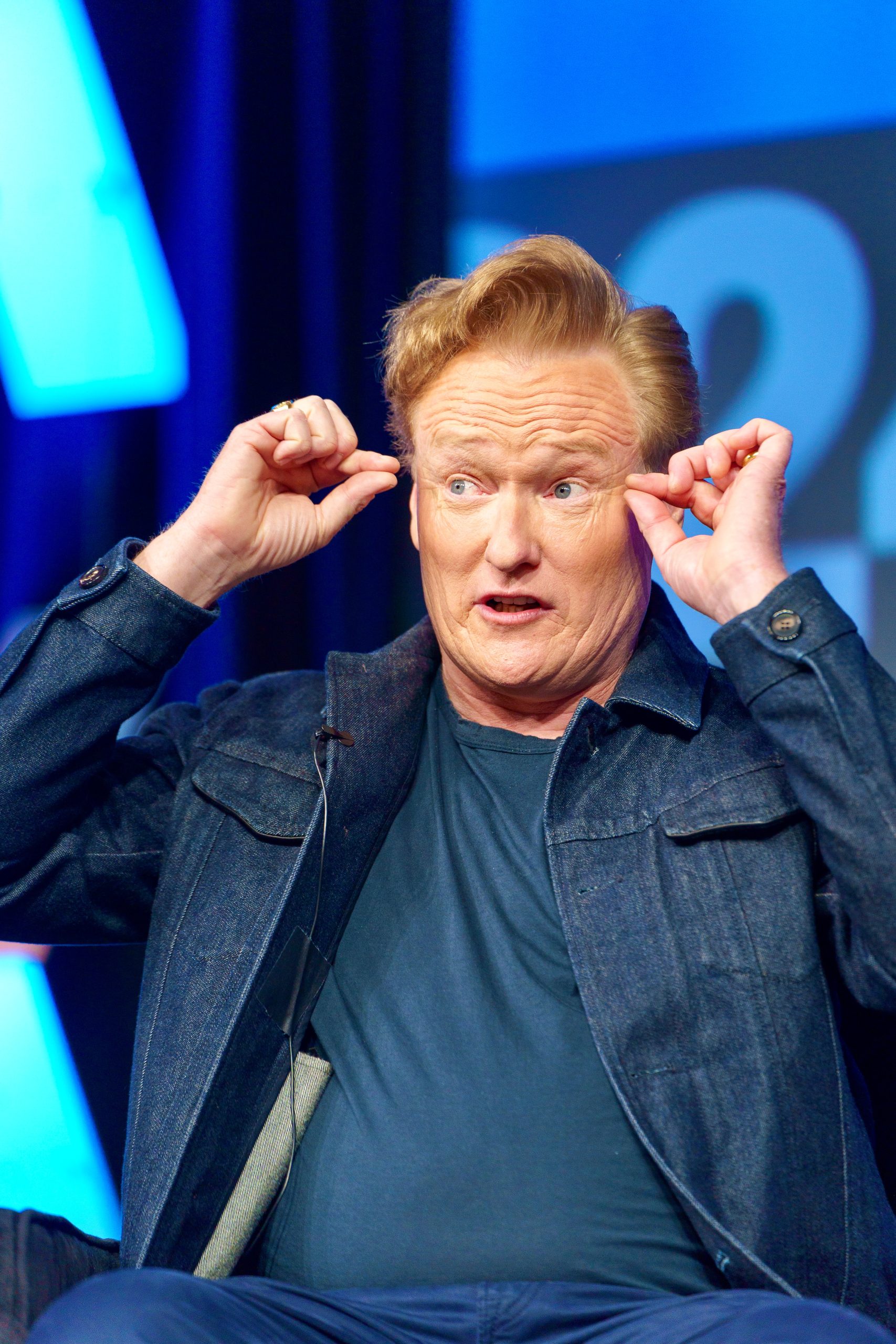
That was two years ago. Since then, I’ve traveled to film festivals and cultural events around the world, including Sundance, the Toronto Film Festival, Edinburgh Fringe, the International Festival of Journalism in Perugia, the Nobel Prizes in Stockholm and Oslo, the Locarno Film Festival in Switzerland, and the Busan Film Festival in Korea.
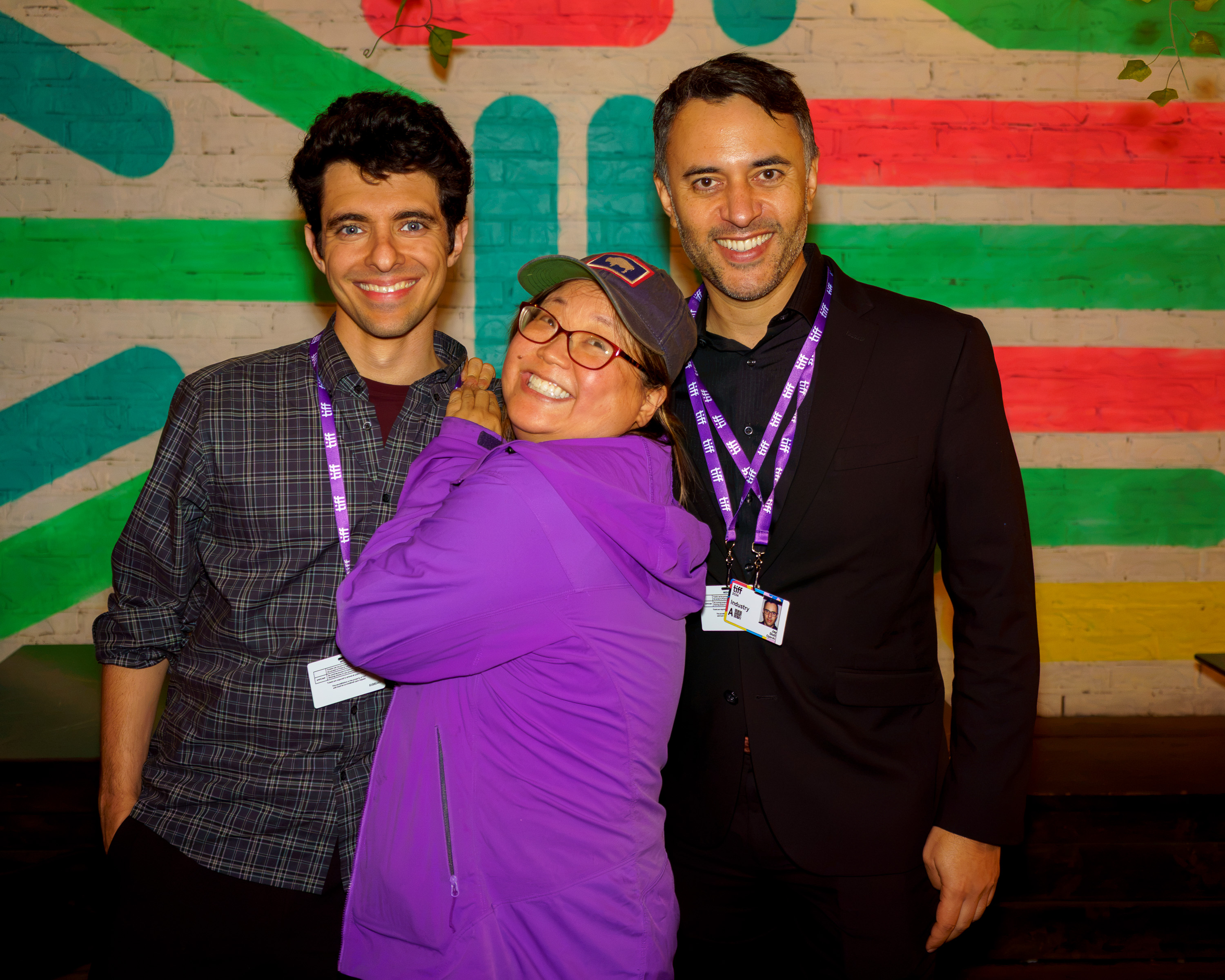
Kevin Payravi, Jenny Lee, and Jay Dixit (me) at the Toronto Film Festival
Today, my photos are viewed by 10 million people a month. (Instead of only being viewed by the actual people in the photos and no one else.)
Collectively, WikiPortraits photos are viewed almost 400 million times a month. That’s more than 1 out of every 100 Wikipedia pageviews globally, across articles in over 150 languages. WikiPortraits photographers have covered dozens of festivals and ceremonies and taken nearly 5,000 freely-licensed photos.
“For the love of God, please take down that photo.”
At a New York screening of The Apprentice, I found Jeremy Strong of Succession, whose Wikipedia photo was from 2014. His publicist said no. Then Jeremy overheard: “Wait, you’re from Wikipedia? For the love of God, please take down that photo. You’d be doing me a service, I’d be forever in your debt.” He posed and I got the shot.
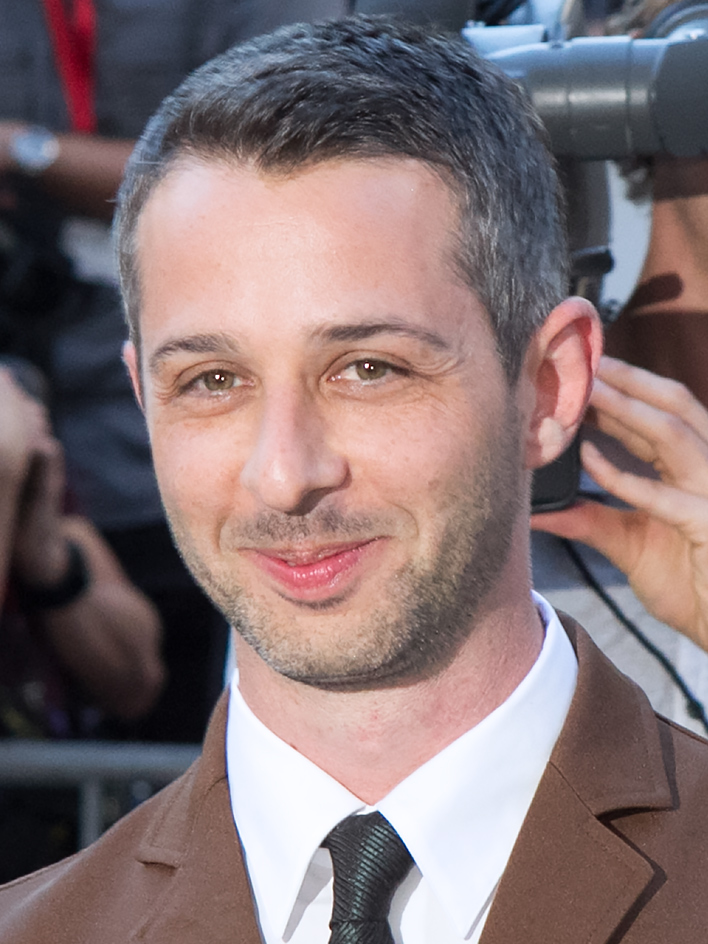
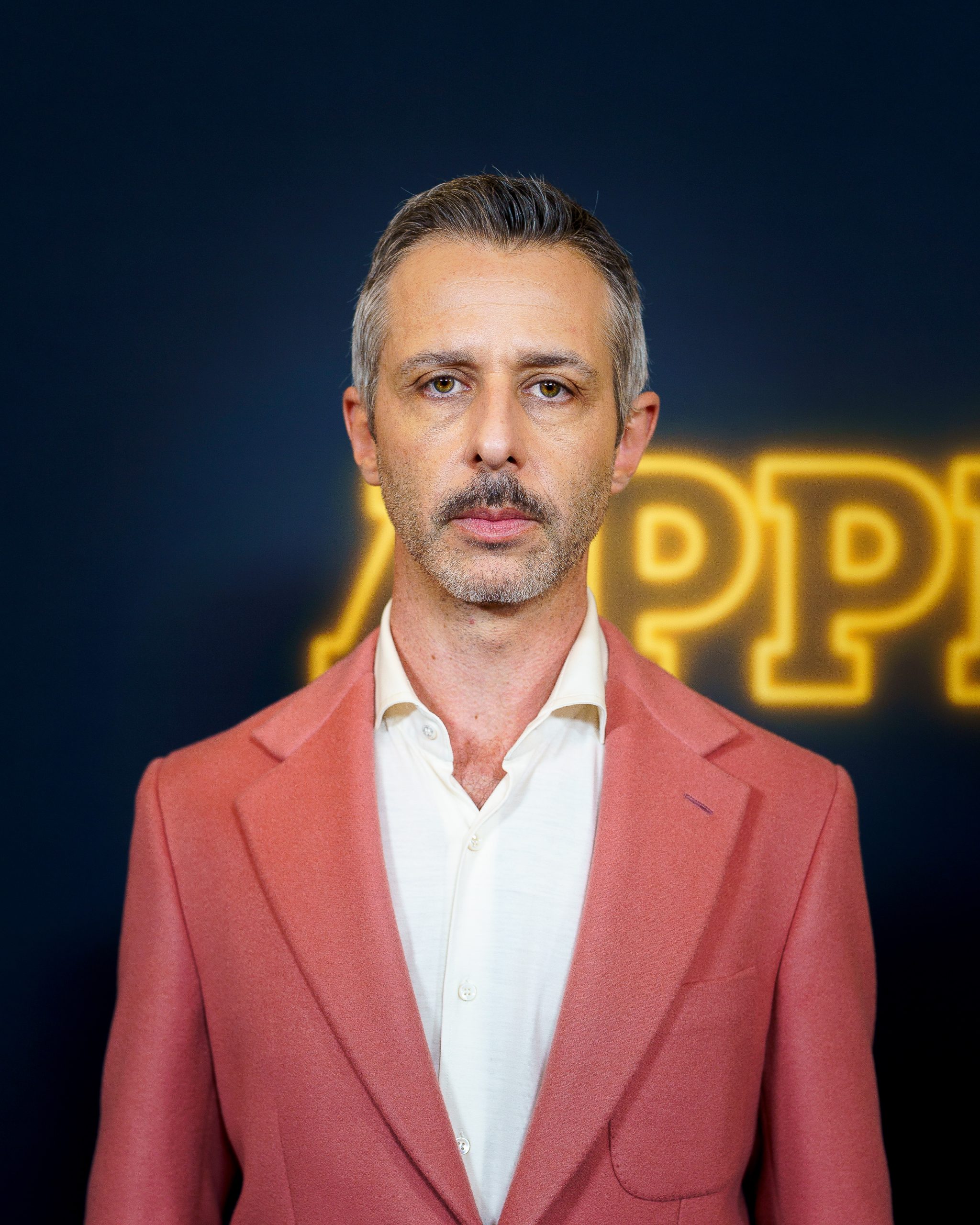
Mr. Strong happily posed for a portrait, emphasizing his eagerness to see his existing Wikipedia photo replaced.
See my other before and after photos
The hard part of red carpet photography isn’t getting a natural expression.
These are professional actors — they know how to pose and look good on camera.
The hard part is getting them to actually look at your lens in the frenzy of the moment when every photographer in the pit is shouting their name at once.
Even when you do manage to get a celebrity’s attention, there’s still the matter of guiding their eyes to find your lens in the split second before they move on. I have different tricks that have worked at different times. When I was shooting the Locarno Film Festival in Switzerland, I went and bought a bright red Swiss flag hat at the tourist kiosk — then, that night in the photo pit, I’d call out, “Over here in the red hat!”
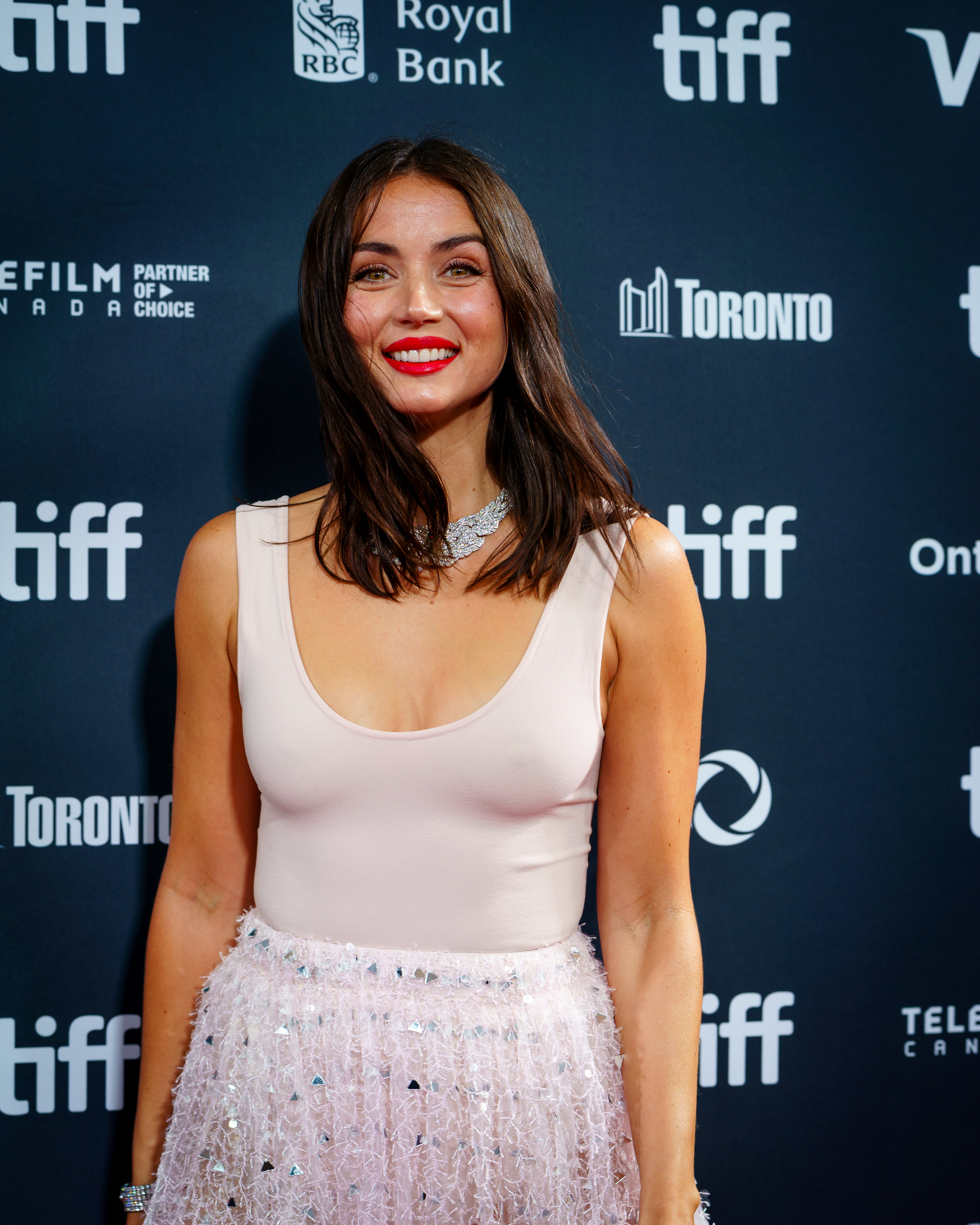
Sometimes I’ve called actors by their character names. “Hey, Erin Brokovich!” Other times I have to scramble. At TIFF when a dozen photographers were clamoring to get Ana de Armas to look their way, it occurred to me to break out my Spanish. “Oye, Ana, por aqui, por favor!” She looked right at me and gave me the sweetest smile. Click. Got the shot.
But WikiPortraits isn’t just about getting better photos. Because everything we shoot is freely licensed, our images are free for anyone to use, including news outlets that can’t afford Getty or the wire services, from Brazil to Serbia to Japan. And most notable people of color still aren’t represented on Wikipedia with a good portrait, or any portrait at all. Closing that gap is a big part of why the project exists. Wikipedia shapes how the world sees people. When the photo is bad, or missing, that’s a problem worth fixing.
We’re a team of more than 50 volunteer photographers.
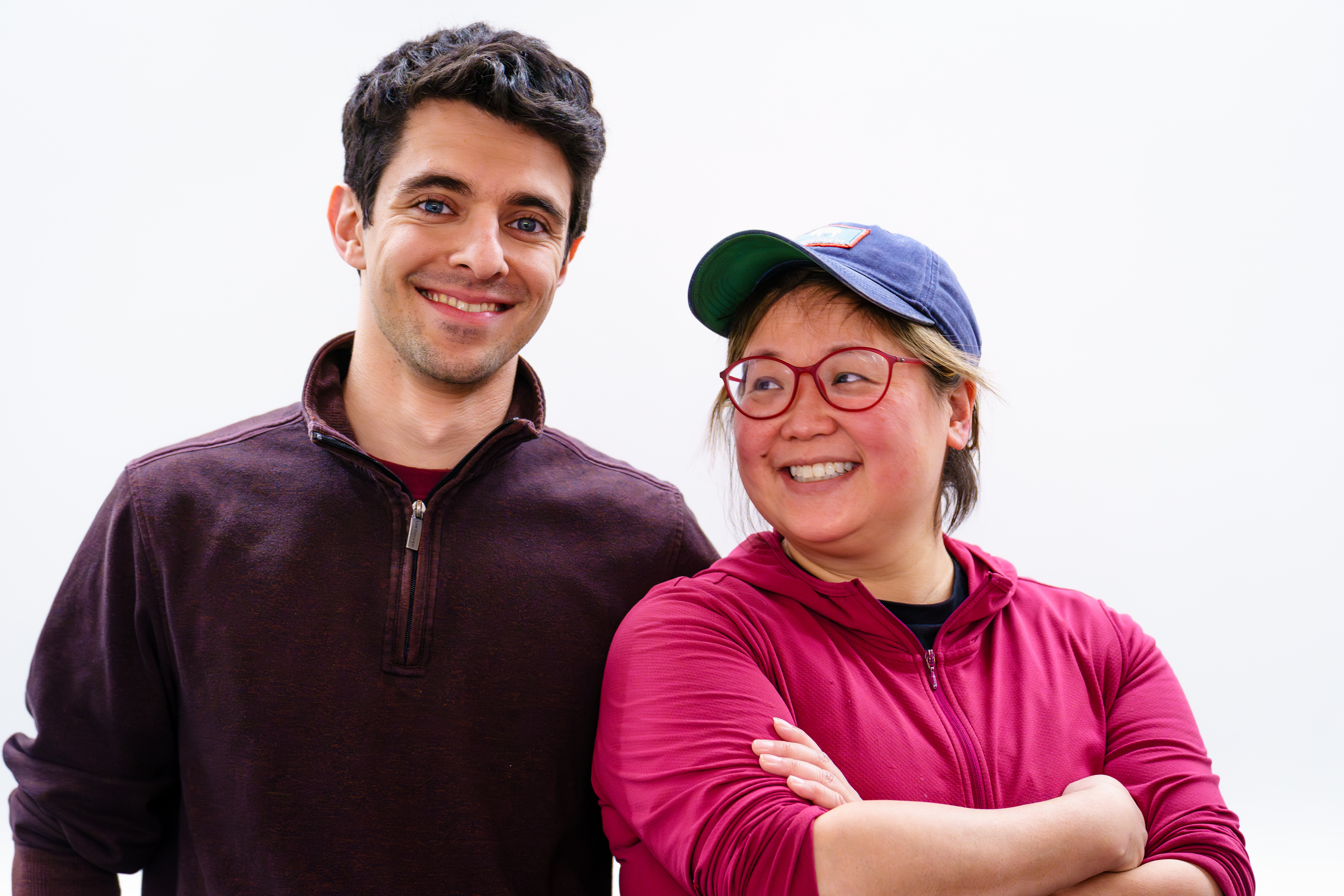
If you want to join us, help fund travel and gear, or just learn more, visit WikiPortraits.org or get in touch.