
About
Why I TakePhotos
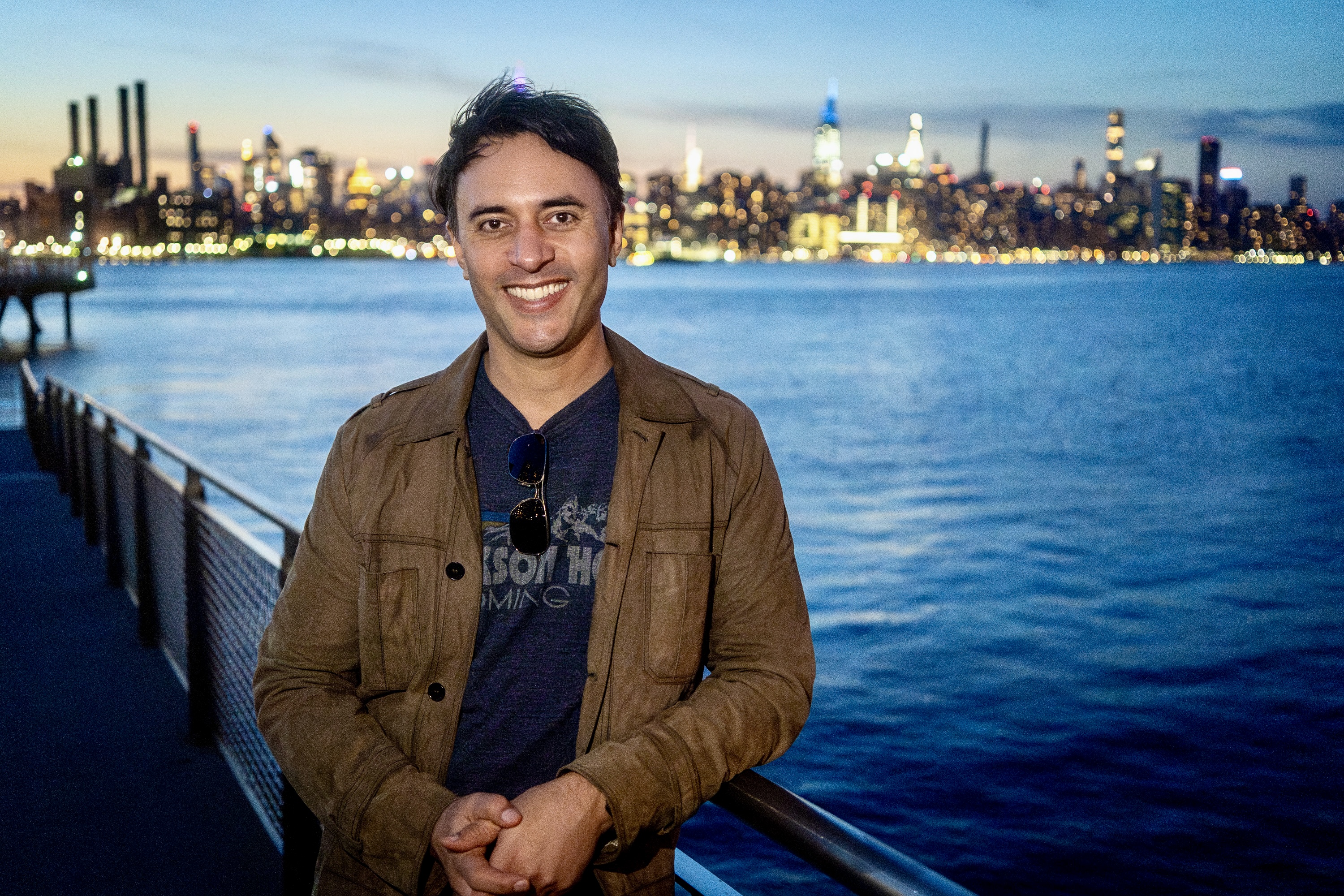
I’m a red carpet photographer for Wikipedia and the first photographer of the WikiPortraits initiative founded by Jennifer 8. Lee and Kevin Payravi. I’ve covered the Nobel Prizes in Stockholm and Oslo, Sundance, SXSW, the Toronto International Film Festival, the New York Film Festival, and cultural events in New York, San Francisco, and Toronto.
I’m also a writer, writing professor, and AI educator. I taught storytelling at Yale. My work has appeared in The New York Times, Rolling Stone, The Washington Post, Wired, Harvard Business Review, and Psychology Today, where I was a senior editor. Most recently I worked at OpenAI, where I led the writing community.
As a writer, I relate to the world through words, stories, and ideas.
But writing is static: It’s sitting at a desk typing sentences on a screen.
Photography, on the other hand, is embodied, visceral, spontaneous. After a day of staring at my screen until the words swim, I love how different it feels to grab my camera and start moving.
With photography, particularly red carpet photography, I find myself huddling in the photo pit, crouching to get a better angle, literally running after a movie star calling her name, desperately trying to get her to turn around and look at my lens so I can get the shot.
It’s physical and chaotic and exhausting. Sometimes it almost feels like being a sniper, braced and still, peering through a long lens, waiting and breathing, finger on the shutter ready to fire the second the movie star looks your way.
Like writing, photography is all craft and strategy. It’s about making decisions, working hard to make it good. But I feel like I’m using an entirely different part of my brain.
It’s also immediate gratification. If I write an article for a magazine, I miiight get an email weeks later when it’s finally published. More likely I never hear about it again. But when I take a photo of someone, I can show it to them then and there. And if I’m lucky they might even light up and say, “Oh my god, I love it, wow you totally captured my personality!”
It’s making someone feel seen, showing them the thing in the same moment the thing is created. That never happens with writing.
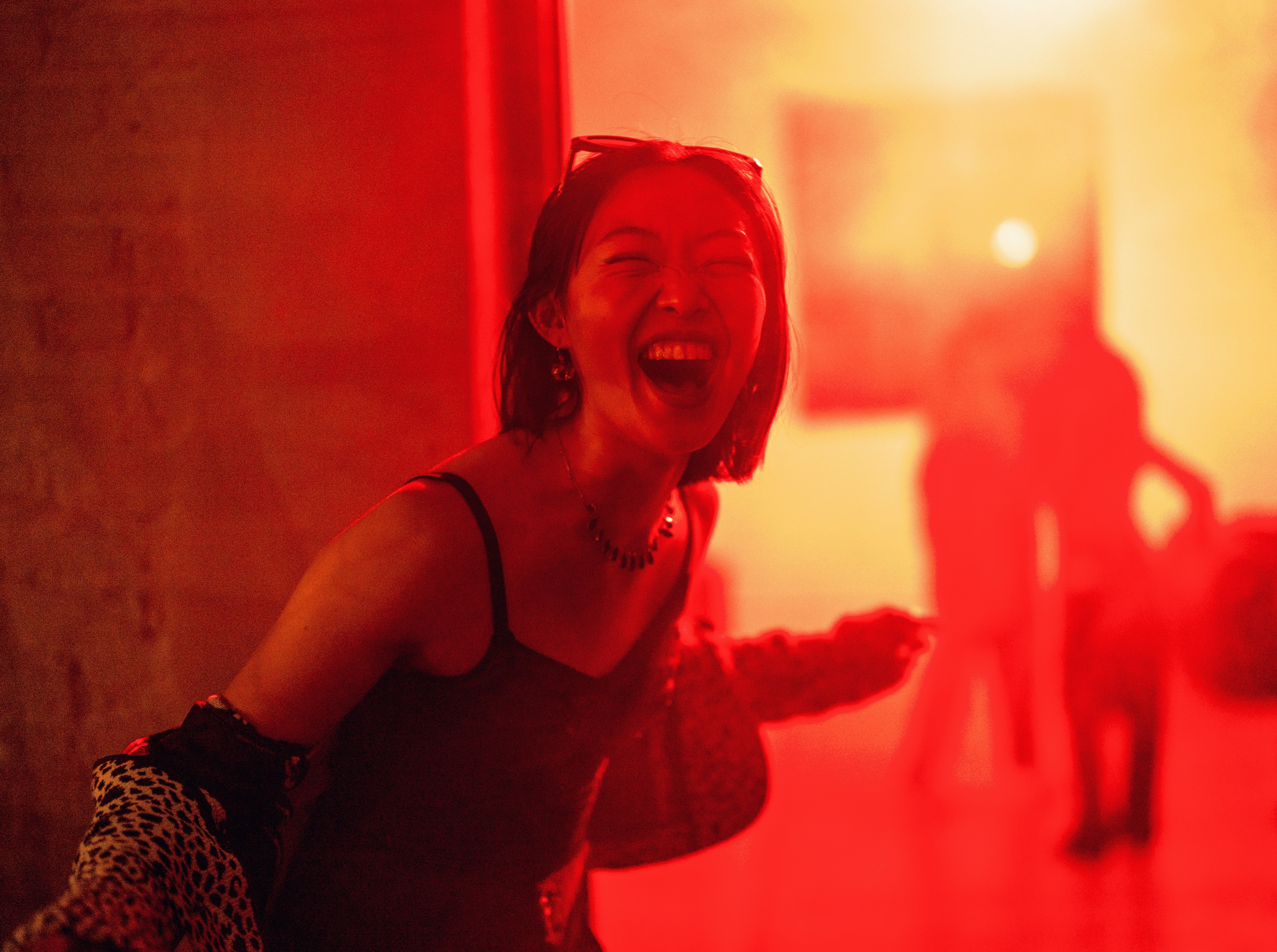
“The feeling I’m chasing is that moment when I show someone a photo I just took and they say, ‘Oh my God, I love this picture of me, you really captured who I am!’”
Most people land here looking for my photos. But I also teach AI workshops, write, and do consulting. If you want to talk about photography, writing, or what AI can actually do for your team, I’d love to hear from you.
My AI work lives at socraticai.co.
My storytelling and writing workshops are at storytelling.nyc.
And my personal website is at jaydixit.com.